A Quote Based on the Field
Acreage or MW is only the starting point. Row geometry, access, water logistics, and timing shape the final scope.
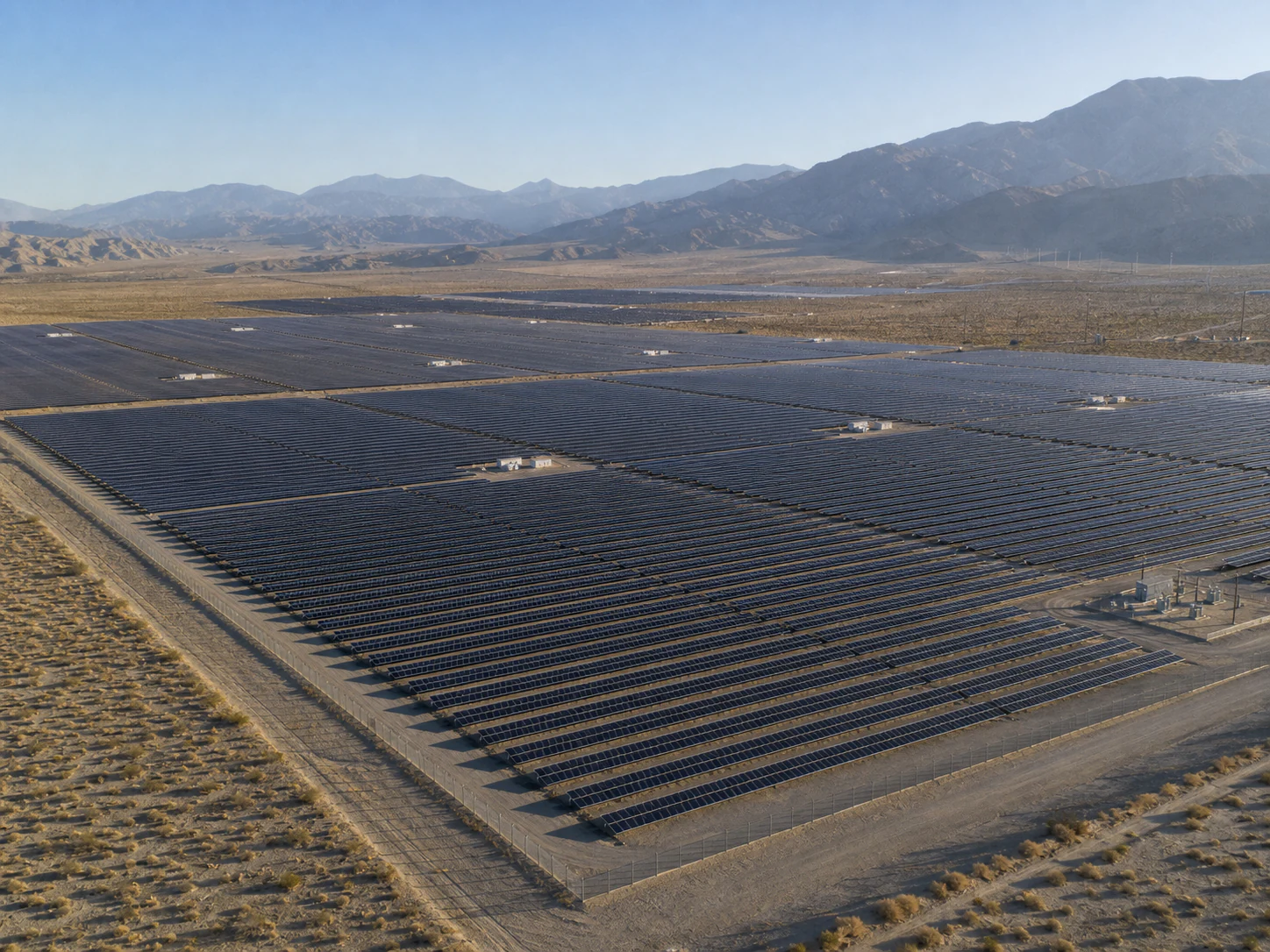
Utility and Ground-Mount
Purpose-built cleaning drones and deionized water for solar farms and ground-mounted arrays across Southern California. Every quote is built around the actual site, not a generic panel count.
 Federal Authorization
On August 18, 2026 the FAA granted DronePower1 Exemption No. 26546, the federal authorization required to operate an unmanned aircraft heavier than 55 pounds for commercial work. It clears our crews to fly the Joyance JTC30 cleaning drone over ground-mounted commercial and utility-scale solar fields, and it is the first exemption the FAA has granted for solar panel cleaning at that weight.
Weight is the whole point on a solar farm. The JTC30 carries 81 pounds empty and 147.7 pounds at maximum takeoff weight, which means more water per sortie, more panels per battery, and fewer trips back to staging across a site measured in acres instead of rows.
Operations are flown within visual line of sight of the remote pilot-in-command, in daylight, over ground-mounted panels on secure sites, per the terms of the grant. Read the petition in the Federal Register
Built for Solar Farms
DronePower1 uses purpose-built cleaning drones and deionized water to remove surface dust from ground-mounted photovoltaic rows. No brushes are dragged across the glass, and fewer people need to work between racks, cabling, and uneven desert terrain.
Every project starts with the site. We review acreage or MW, row spacing, access roads, water supply, flight conditions, soiling, and the timing your operations team can support. From there, we recommend the crew, equipment, and service schedule for the work.
The Site Comes First
Aerial views reveal row spacing, service roads, inverter blocks, obstacles, and staging areas—the details that determine how the work should be staffed and priced.
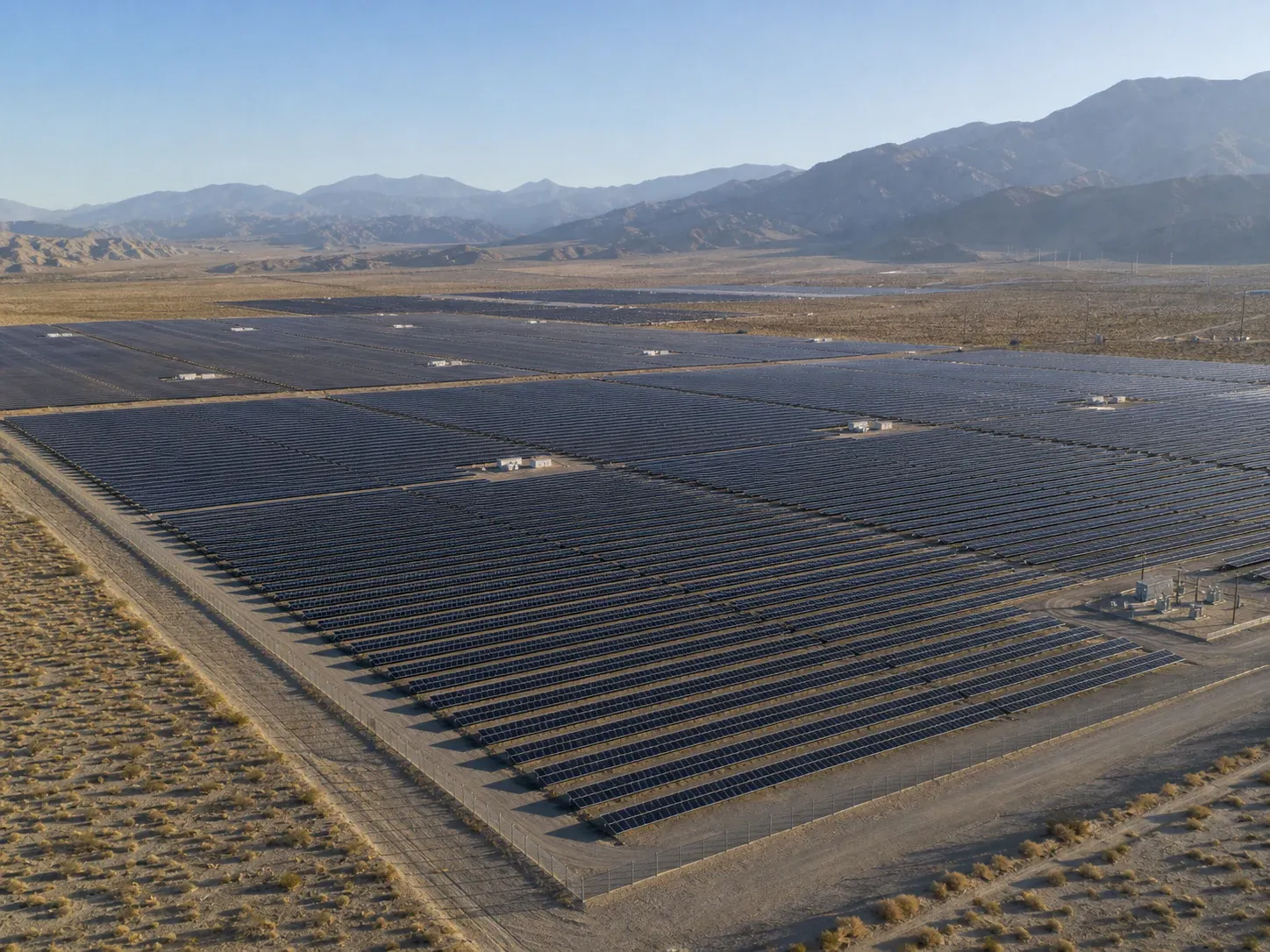
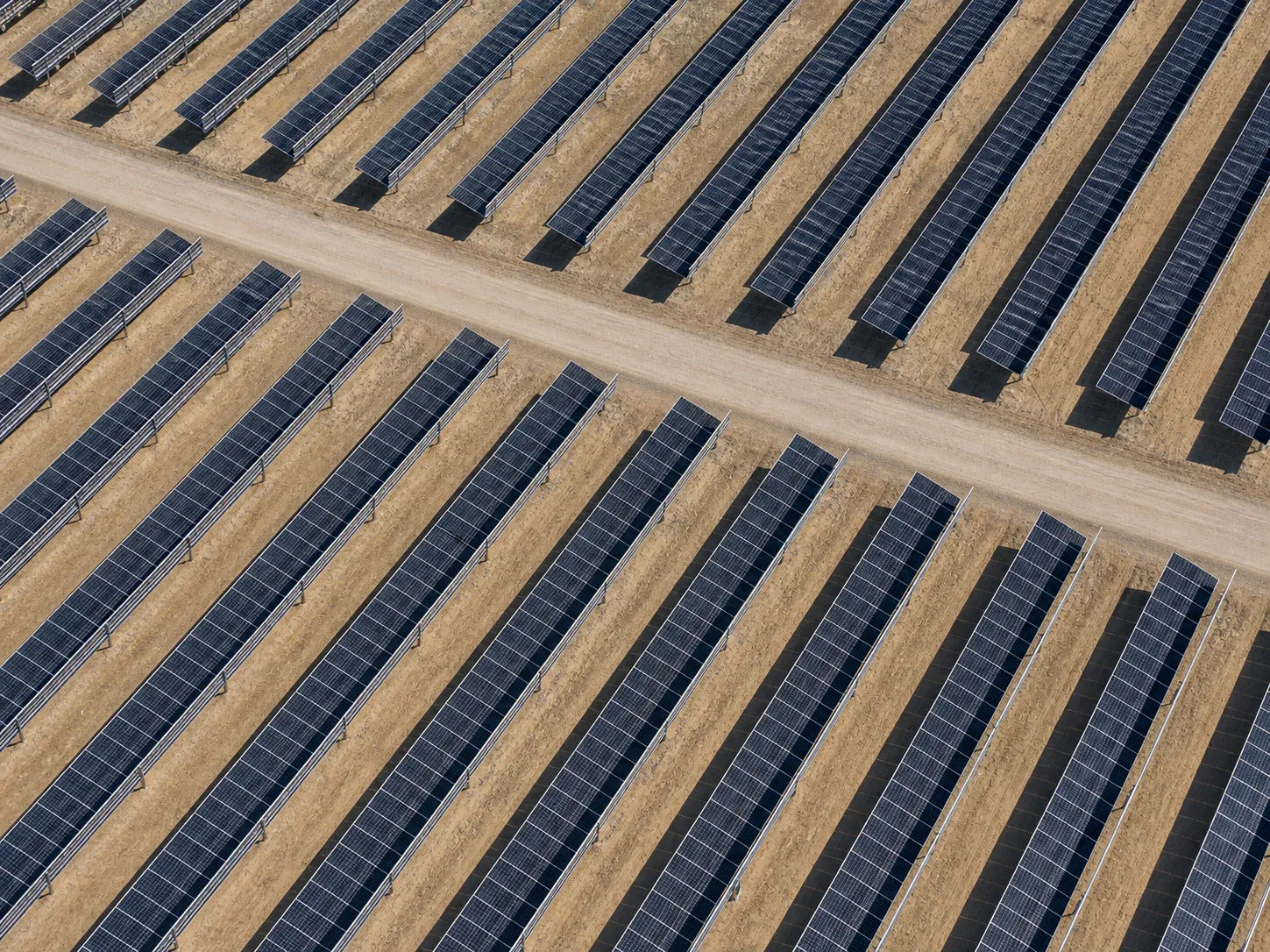
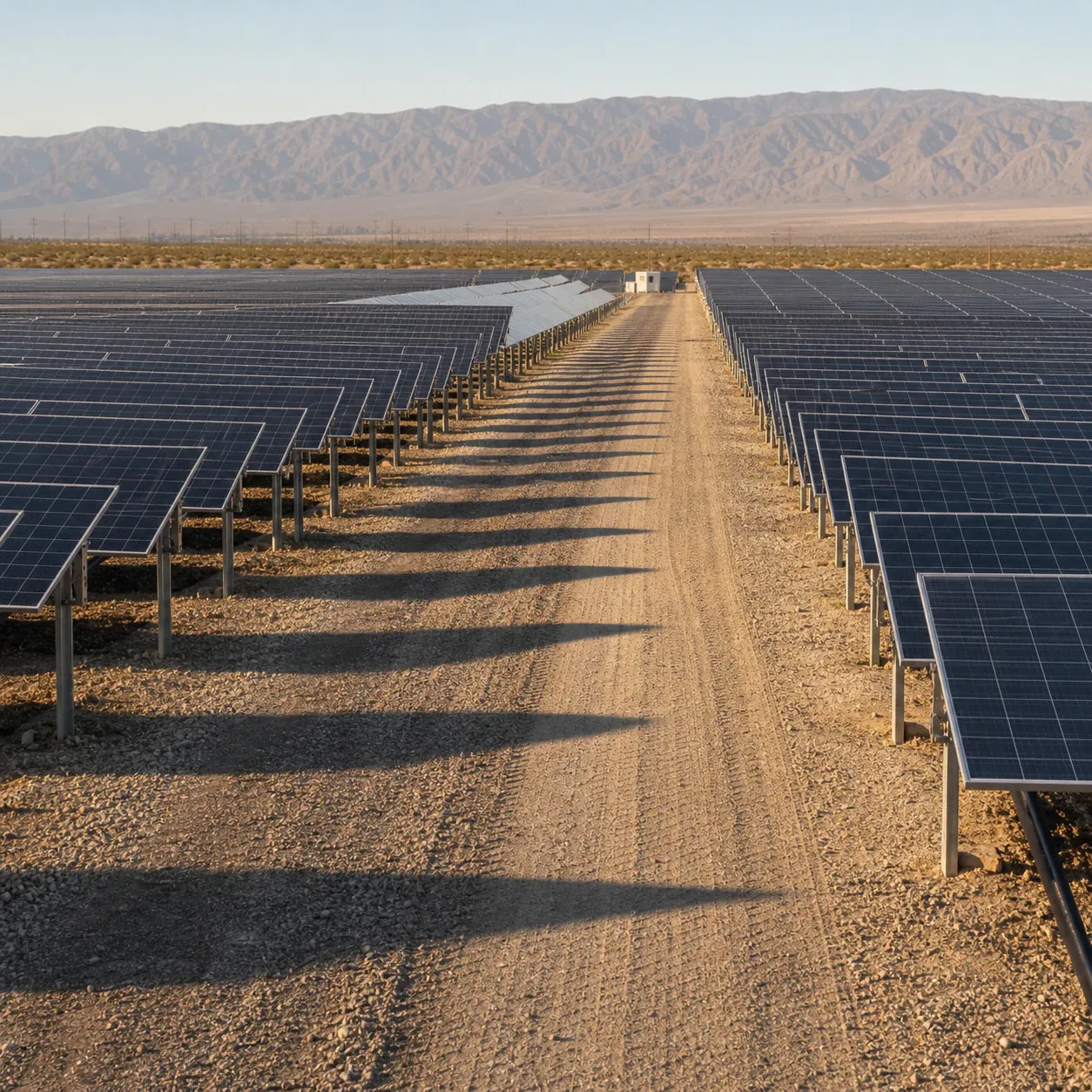
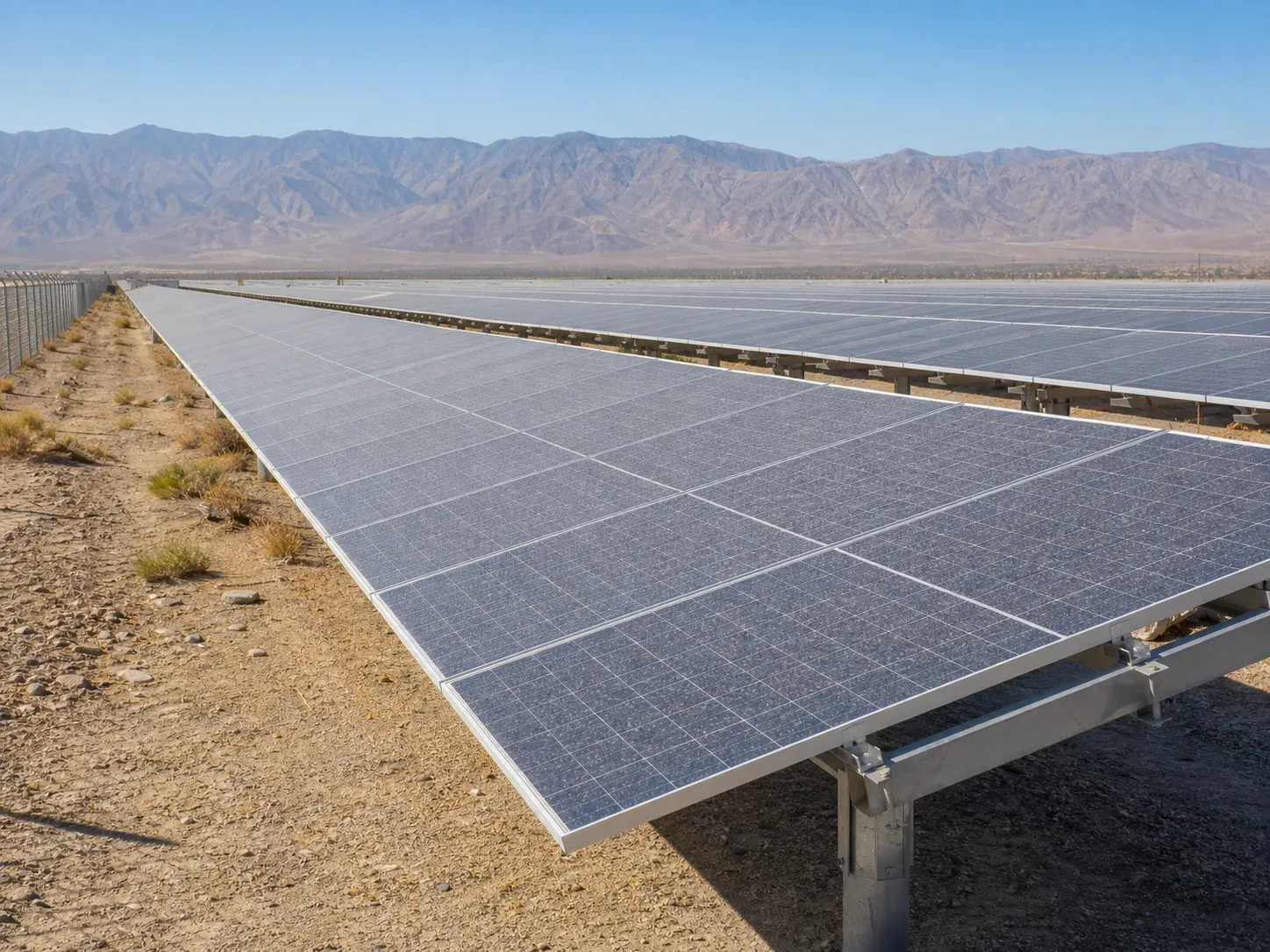
Acreage or MW is only the starting point. Row geometry, access, water logistics, and timing shape the final scope.
Purpose-built drones apply deionized water from above, reducing foot traffic between racks and cables.
Book a one-time cleaning or discuss recurring visits around seasonal dust and planned maintenance.
Before We Quote
Yes. On August 18, 2026 the FAA granted DronePower1 Exemption No. 26546 under regulatory docket FAA-2024-2463, authorizing commercial operation of the Joyance JTC30 cleaning drone at up to 147.7 pounds maximum takeoff weight over ground-mounted commercial and utility-scale solar fields. DronePower1 is the first company in the United States to hold that authorization for solar panel cleaning. Flights are conducted in daylight, within visual line of sight of the remote pilot-in-command, on secure sites.
Water is the payload. A sub-55-pound aircraft has to return to staging far more often, which is the main reason drone cleaning has historically been slow at field scale. The JTC30 weighs 81 pounds empty and 147.7 pounds at maximum takeoff weight, so it carries more fluid per sortie and covers more panels between resets.
We plan the cleaning path around row length, spacing, tracker position, obstacles, and wind. The crew works the field in defined sections so coverage can be checked before moving on.
We do not price a solar farm by counting individual panels. Send us the acreage or MW, a site plan or aerial image, location, access details, water availability, and preferred timing. We use that information to scope equipment, crew size, and visit frequency.
There is no honest one-size-fits-all schedule. Desert dust, nearby agriculture, pollen, weather, module angle, and the value of recovered production all matter. We can quote a one-time cleaning or discuss a recurring schedule based on the site.
Yes. Water volume and staging depend on the size of the field and site access, so we confirm those logistics during scoping instead of assuming the property can supply what the job requires.
Get a Quote
Tell us about your property and we'll send a no-obligation quote. On commercial work, show us your last bill and we'll beat it by 10%.
No obligation. Send your details and a real person gets back to you, typically the same business day.